

As the use of AI in the workplace becomes more prevalent, it’s important to be aware of both its efficiencies and its shortcomings. We asked Sharpe Group technical consultant Chris Woehrle to cite a recent court case where a professional’s use of AI played a role and what we can learn from it.
Tax Court Warns Attorneys About Citing AI-Generated Fake Cases
In Clinco v. Commissioner, T.C. Memo. 2026-16, the Tax Court’s opinion signals growing judicial intolerance for AI-driven shortcuts in legal research and reinforces that attorneys are responsible for the accuracy of their filings.
The Tax Court upheld an IRS notice of deficiency against a taxpayer but used its opinion to admonish the taxpayer’s attorney for professional misconduct. The court found that three cases cited in the attorney’s brief supporting their claims were nonexistent “hallucinations generated by a large language model” artificial intelligence (AI). It called the practice of submitting briefs with fictitious case law “unacceptable” and a recipe for sanctions.
While the court ruled for the IRS on the underlying issues of unreported income and unsubstantiated depreciation, its primary focus was a warning to practitioners about the serious risks of using AI without rigorous verification.
How are fundraisers using AI?
The 2026 Nonprofit AI Adoption Report indicates that many nonprofit organizations are adopting AI for routine tasks with mixed results and effectiveness—and a healthy amount of skepticism and worry.
A recent study, “AI’s Hidden Price: AI Tools Reduce Donor Engagement Through Extrinsic Motivation Inferences,” recently published in the Journal of Business Ethics*, warns fundraisers using AI of the potential for an erosion of trust among donors. Dr. Russell James shared the findings on his LinkedIn account in February.
His advice: “If you disclose AI use, don’t stop there. Say why you used it. Tie it to mission or relationship. Make the reason concrete: lower costs, faster help, more services delivered. And anytime you’re thinking about a new fundraising tactic, start with this: ‘What would a good friend do?’ If it fits, you’re safe. If it doesn’t, be careful.”
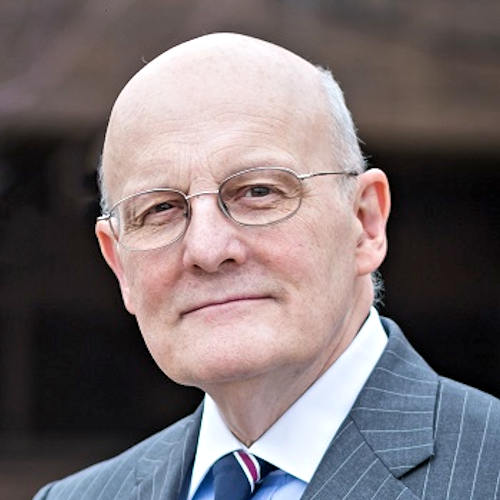 Chris Woehrle, JD, LLM, is a technical consultant for Sharpe Group and writes Sharpe Group’s Charitable Dollars & Sense blog series. He teaches charitable gift planning and principles of wealth management in the LLM taxation program at the Widger School of Law at Villanova University. You can connect with Chris by email.
 Teri Sullivan is vice president of marketing for Sharpe Group and serves as co-producer of the podcast Sharpe Insights: Conversations With Your Planned Giving Experts. You can connect with Teri via email or on LinkedIn.
